
Call it “currency tourism” — the subtle but powerful influence of foreign exchange rates on people’s vacation choices. When a destination becomes relatively cheaper due to FX shifts, it doesn’t just attract bargain hunters — it can reshape travel flows, boost local economies, and challenge conventional wisdom about tourism demand.
Exchange rates affect more than just the cost of a cappuccino in Rome. They influence perceived value, purchasing power, and the psychological comfort of “getting a deal.”
Americans may flock to Japan when the yen weakens, while Canadians cross the border when the loonie is strong (and trade tensions have eased). Brits, post-Brexit, have recalibrated their holiday plans based on the pound’s performance, particularly when choosing Eurozone destinations.
These decisions aren’t always conscious or uniform. Travel influencers, deal sites, and even airline pricing algorithms amplify FX-driven opportunities. A strong dollar can make a five-star stay in Thailand feel like a steal, while a weak euro might nudge US travelers to Lisbon instead of Paris because Lisbon’s already low prices look like an even bigger bargain compared to Paris.
In some cases, the FX effect is more psychological than financial. Travelers often anchor their perceived value to home-country prices, leading to “vacation inflation” — spending more freely when things feel cheap, even if the savings are marginal.
Even history plays a role in vacation decisions. The euro’s launch in 2002 brought price transparency — and competition — among Eurozone destinations. Spain, Italy, and Greece suddenly had to compete not just on charm, but on cost. Meanwhile, Argentina’s history of peso volatility has led to outbound tourism spikes, even amid domestic economic strain, as Argentinians seek to preserve value by spending abroad instead of at home.
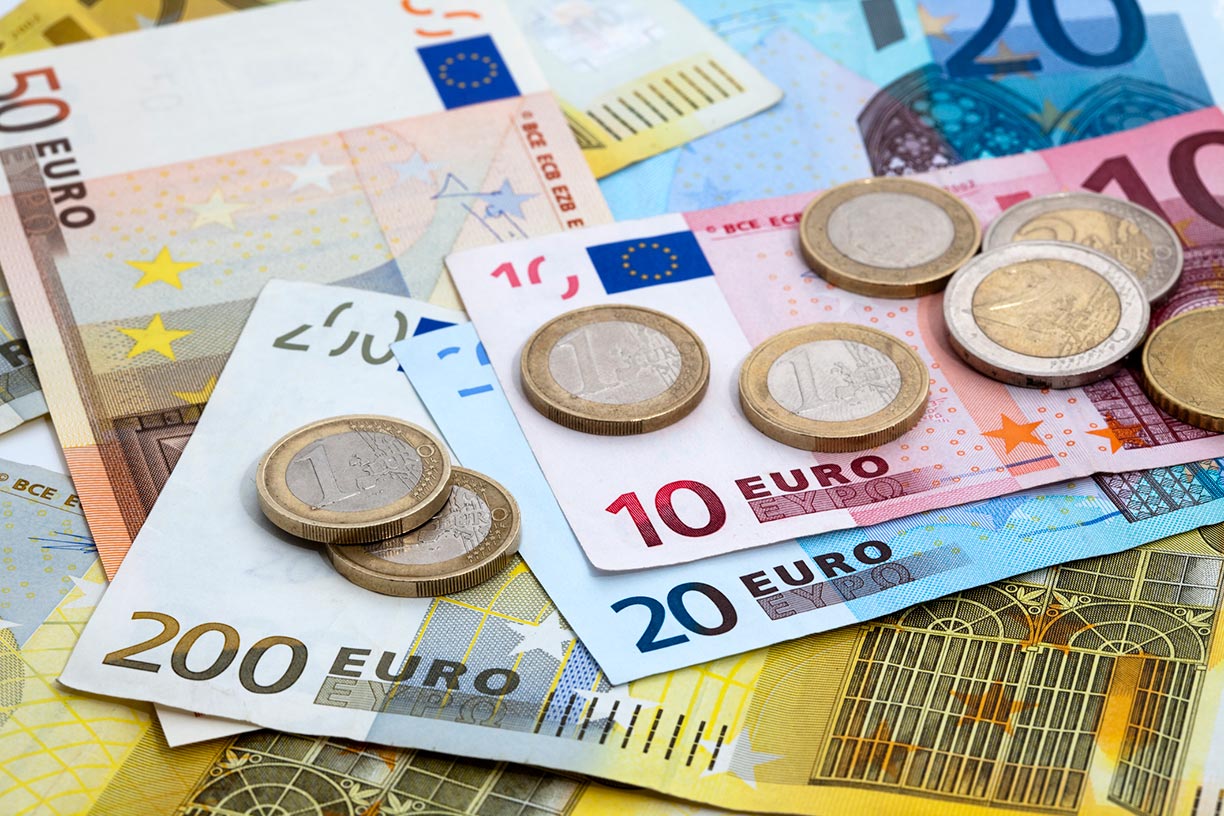
The US dollar is a prominent factor in many travel plans. A 2023 study published by the Federal Reserve found that tourism flows are more sensitive to broad movements in the U.S. dollar against many currencies than to bilateral exchange rates. This suggests that dominant currency pricing - where hotel rates and travel services are pegged to the dollar — can amplify the FX effect across multiple countries and regions.
Tourism-dependent economies feel FX shifts acutely. A weaker currency can boost arrivals, but not always uniformly. A study of Italy’s inbound tourism found that exchange rates significantly affected arrivals from some countries (e.g., Brazil, Canada, Poland), but had no statistical impact from others, including the U.S. and Japan.
FX sensitivity can vary by origin-destination currency pair. Thailand, for example, saw a surge in tourism around 2019 when the baht weakened. FX volatility, in this context, becomes a hidden force behind “hot” destinations. But that wasn’t the case in Iceland’s post-2008 recovery. Tourism was tempered by a strengthening krona that made Reykjavik less budget friendly. And it’s not only exchange rates that matter. Cultural ties, marketing efforts, and traveler income levels all affect the impact, and exceptions occur.
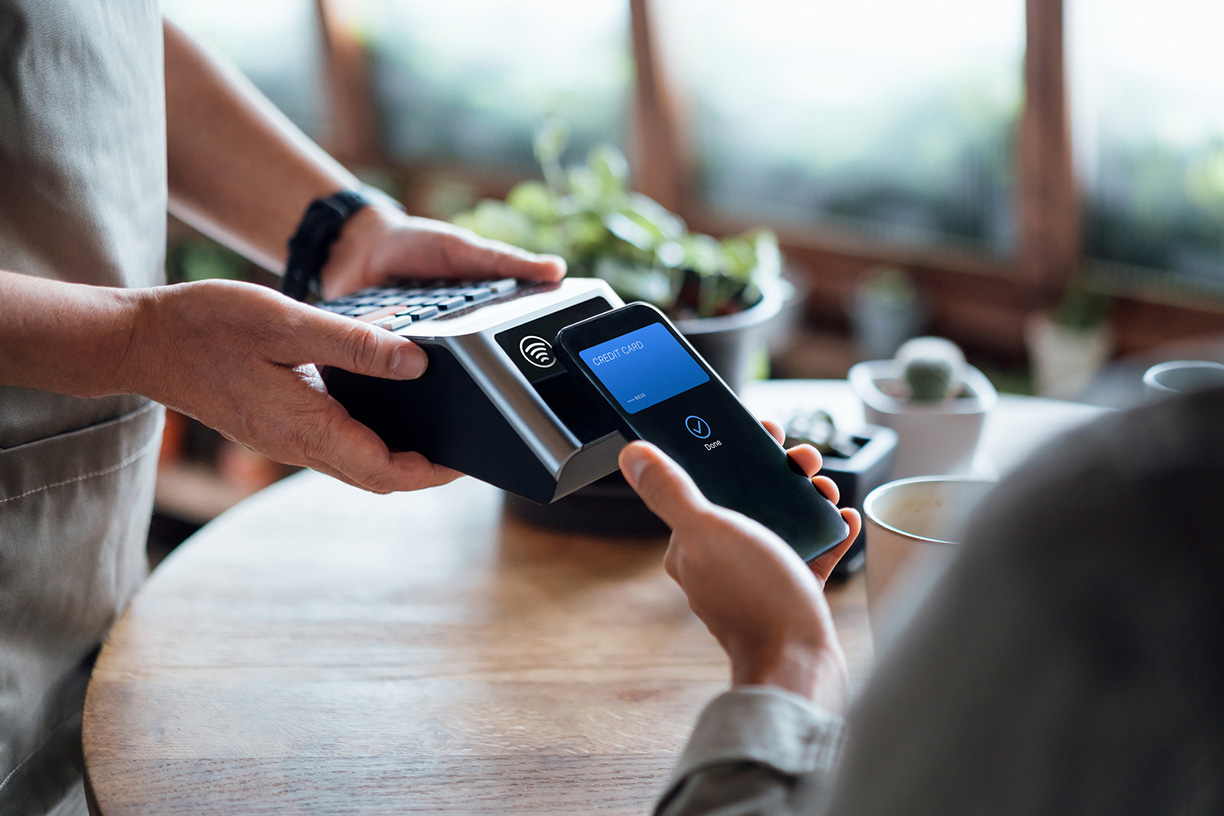
Travelers don’t just respond to FX — they navigate it. Japanese tourists often exchange cash before departure. Americans rely on credit cards and automated teller machines. Europeans may preload multi-currency wallets. In China, mobile payments dominate, while Germans still favor cash.
These habits reflect trust, convenience, and local norms. They also shape how FX fluctuations are felt. A tourist who pays in their home currency via a card may be less aware of the exchange rate embedded in the transaction than someone exchanging cash on arrival.
The rise of digital wallets and fintech apps has added a layer of insulation from FX volatility.
Travelers increasingly use platforms that offer real-time conversion, fee transparency, and multi-currency support. This blurs the line between FX awareness and FX avoidance. In other words, while fintech platforms enhance transparency, they also risk turning FX into background noise — users see the numbers but may not understand or internalize them.
Technology lets travelers sidestep exchange rates altogether – even at the expense of not fully grasping the costs.
Economists talk about dominant currency pricing - the tendency for hotels, airlines, and tour operators to set prices in U.S. dollars, even when their local currency fluctuates. For travelers, this means the dollar’s strength or weakness can ripple far beyond one country’s exchange rate.
When the dollar strengthens, destinations that peg prices to it can suddenly feel more expensive to visitors from Europe, Asia, or Latin America. Conversely, a weaker dollar can make those same destinations more attractive across multiple regions at once.
Research from the Federal Reserve shows that tourism flows often respond more to broad dollar movements than to individual currency pairings. In other words, the dollar acts like a global thermostat for travel demand.
This dynamic also affects countries with dollar-denominated debt or dollar-based pricing structures. Even if their local currency weakens, the perceived value for foreign visitors may not improve - because the tourism sector is still effectively priced in dollars. For travelers, the “deal” depends less on the local exchange rate and more on the dollar’s global reach.
Why do people feel richer abroad — or poorer? Behavioral economics offers a few clues.
Anchoring bias leads travelers to compare foreign prices to home-country norms. A $5 espresso in Milan may feel expensive to an American, but cheap to a Brit. This perception shapes spending behavior more than actual FX math.
Then there’s “vacation inflation”—the tendency to overspend when things feel cheap. A strong home currency can create a sense of abundance, leading to upgrades, splurges, and impulse buys. Conversely, a weak currency may trigger frugality, even if the actual difference is modest.
These psychological effects make FX a powerful, if invisible, force in travel behavior. They also explain why some travelers, aware of FX, chase favorable rates, while others remain blissfully unaware.
For policymakers and tourism boards, understanding FX dynamics is more than academic—it’s strategic. Exchange rate movements can influence not just visitor numbers, but visitor behavior. A surge in arrivals may not translate to higher spending if travelers perceive the destination as “cheap”, anchoring expectations and spending cautiously, thinking “I shouldn’t overspend here.” Cheapness equals thriftiness.
The yen’s prolonged weakness since 2021 has reshaped Japan’s tourism landscape. With the currency sliding to multi-decade lows against the U.S. dollar and euro, Japan suddenly became one of the world’s best-value destinations. For overseas travelers, hotel stays, meals, and even luxury goods felt discounted, sparking a surge in arrivals that pushed inbound tourism to record highs in 2024–25.
Yet the spending story is more nuanced. While aggregate inbound receipts climbed to historic levels, reaching 8.1 trillion yen in 2024, the average spend per visitor barely budged, climbing from ¥213,000 in 2023 to ¥227,000 in 2024. Tourists allocated more of their budgets to accommodation and experiences, reflecting both higher hotel rates and a preference for cultural experiences. Shopping, once the centerpiece of “explosive buying” trips by Chinese visitors, lost ground as travelers showed restraint in retail splurges.
This divergence highlights a paradox: currency weakness can drive volume without guaranteeing value. Japan welcomed more travelers than ever, but retailers and duty-free operators found the per-capita returns underwhelming.
For policymakers and businesses, the lesson is clear — FX shifts may open the door, but sustaining tourism revenues requires more than a favorable exchange rate. The challenge lies in balancing short-term gains with long-term sustainability. Currency tourism can be a boon, but it can also create dependency, distort pricing, and expose destinations to external shocks.
Remote work has created a class of travelers who view FX rates in a long-term cost-of-living arbitrage instead of worrying about short-term FX swings. These travelers choose destinations where their income — often in dollars or euros — stretches further. FX rates matter, but the decision to travel is more structural, relocating to Lisbon instead of Paris for months.

The digitization of FX may further entrench the US dollar as the dominant currency in travel. Stablecoins, cryptocurrencies that are pegged to another asset like the dollar, could become a popular payment method for hotels, flights and rentals. That would bypass local currency volatility all together and dampen FX awareness since the exchange rate would disappear. That might make tourism flows even more dollar-centric, creating a reinforcing loop where stablecoin travel results in more demand for the US dollar, which in turn supports the dollar as the key vacation currency.
Imagine a world where stablecoins become the default travel currency. A U.S. traveler books a villa in Greece, pays in dollar-pegged stablecoins, and never even thinks about the euro. The hotelier, meanwhile, receives a predictable dollar-equivalent payout, bypassing local FX volatility. Over time, this frictionless system could flatten the impact of bilateral exchange rates, making tourism flows less about currency swings and more about lifestyle choices, visa regimes, and digital infrastructure. Yet paradoxically, it would also concentrate global tourism around the dollar, amplifying the dollar's dominance - one coin, one price, everywhere.
But it’s wise to temper stablecoin optimism with reality. Stablecoin regulations and adoption resistance by individuals and merchants might mean a long delay before stablecoins become a routine way to pay for travel expenses.
Currency tourism isn’t just about chasing deals—it’s about how travelers perceive value, how destinations compete, and how FX shapes global movement in subtle ways. For institutional investors, travel economists, and policymakers, it’s a reminder that foreign exchange isn’t confined to trading desks—it’s embedded in everyday decisions.
For travelers? It’s one more reason to check the exchange rate before booking that beach bungalow. But it’s not always about rates and cost: Travel is often about chasing something priceless.
Connect with us to learn more about Mesirow Currency solutions

Customized solutions to manage unrewarded currency risk in international portfolios.

Strategies that aim to profit from short and medium-term moves in the currency market.

Trading solution for asset managers and owners with focus on reducing transaction costs, improving transparency and enhancing efficiency.
The information contained herein should not be construed as a recommendation to purchase or sell any particular security or investment vehicle offered by Mesirow . The information included has been obtained from sources believed to be reliable, but is not necessarily complete and its accuracy cannot be guaranteed. Any opinions expressed are subject to change without notice. Mesirow Financial Investment Management, Inc. and its affiliated companies and/or individuals may, from time to time, own, have long or short positions in, or options on, or act as a market maker in, any securities discussed herein and may also perform financial advisory or investment banking services for those companies. It should not be assumed that any recommendations incorporated herein will be profitable or will equal past performance. Any stated performance results include the reinvestment of dividends and other earnings. Investment management services offered by Mesirow Financial Investment Management, Inc., an SEC-registered investment advisor.